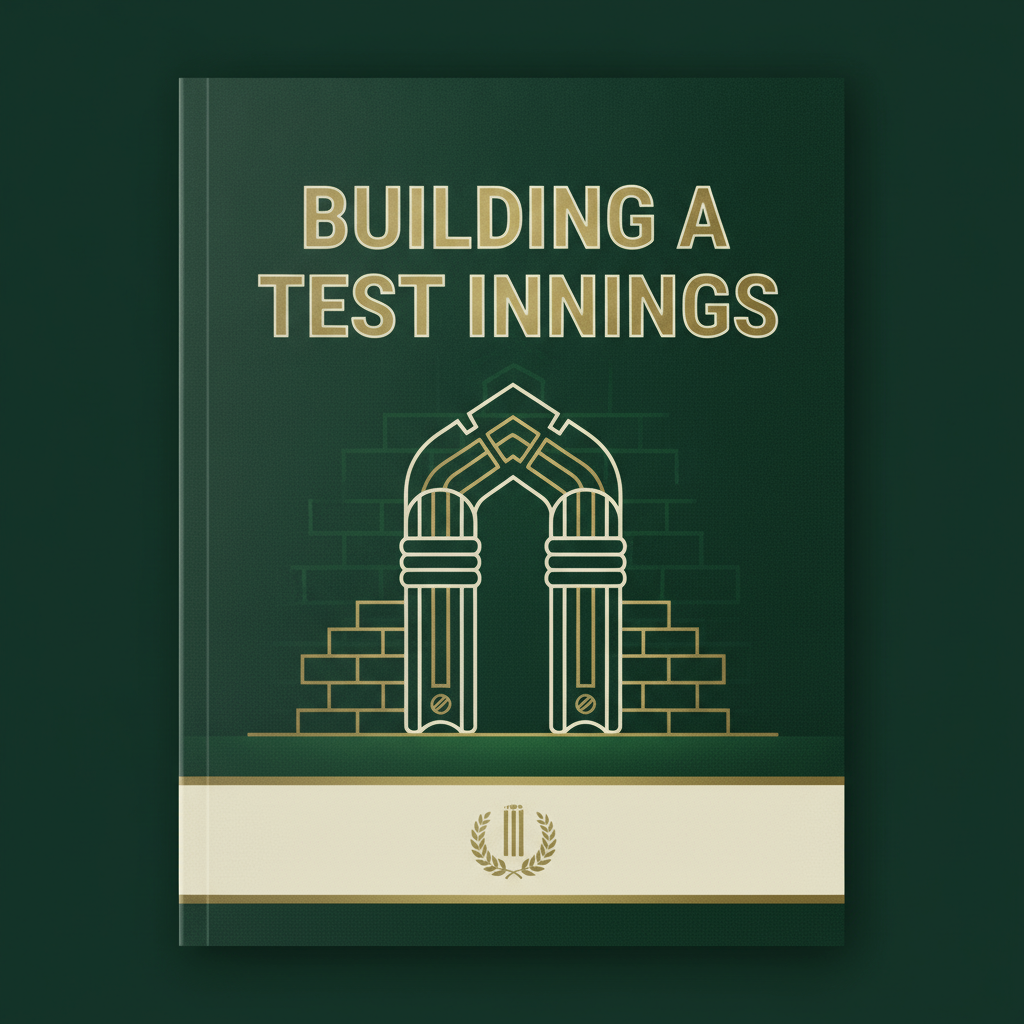
Building a Test Innings
Ebook · batting long
$1.60View →
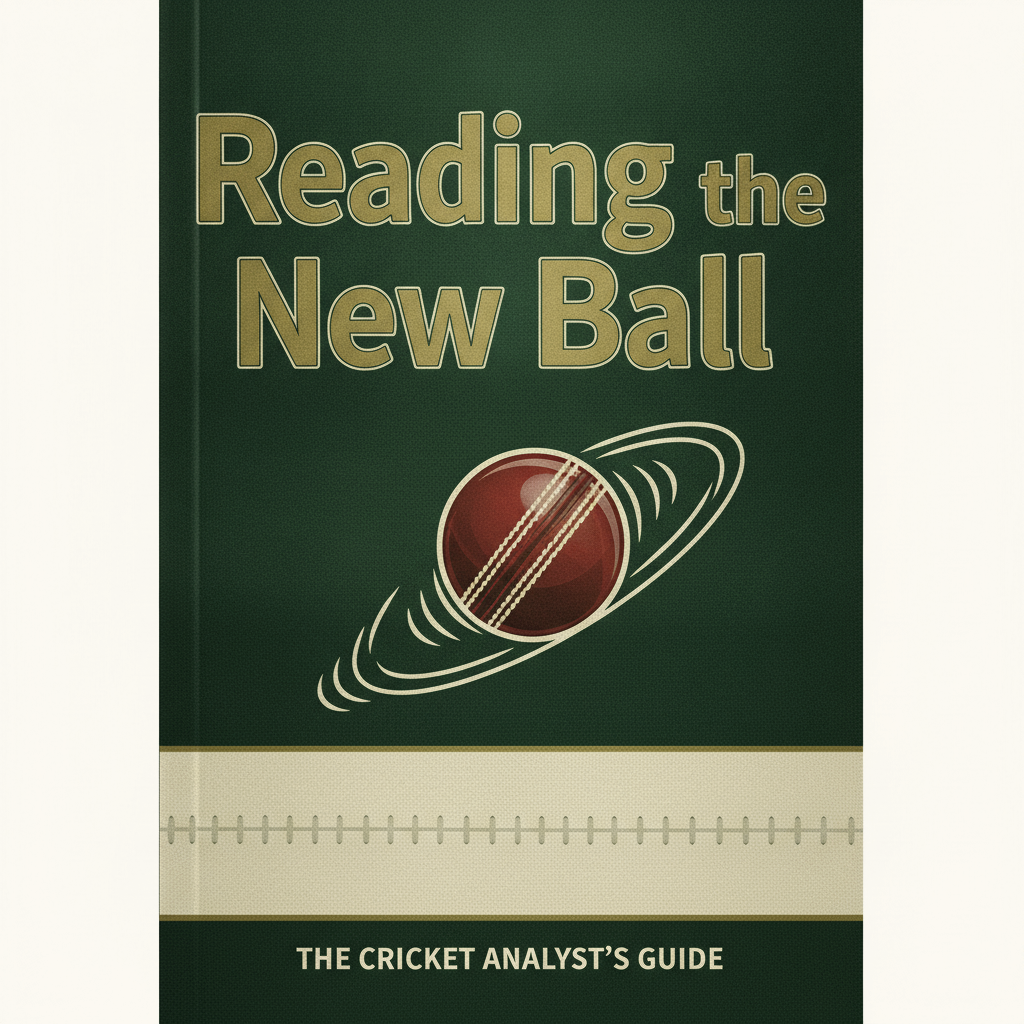 Cover · Reading the New Ball
$1.75
Playing swing and seam through the first fifteen overs, and knowing when the shine is gone. The new ball wins more club wickets than any bowler on the card — this is the batter's answer to it. How to watch the seam, when to leave, and how to still be there when it stops talking.
Get the guide →| Attribute | Reading |
|---|---|
| Format | PDF (A5, print-friendly) |
| Length | 44 pages |
| Chapters | 7 |
| Devices | Phone, tablet, desktop |
| Access | Lifetime, no renewal |
| Delivery | Instant download |
| On the card | $1.75 |
Most club innings are settled before the fifteenth over. The new ball moves, the light is fresh, the bowler is quick and full — and the batter who does not know what he is looking at is back in the hutch with a soft dismissal and a long afternoon to think about it. Survive that hour and the game opens up. Lose it and no amount of talent gets you back.
We wrote this because reading the new ball is treated like a dark art, and it isn't. It is a handful of readable cues — the seam, the shine, the bowler's grip — and a set of decisions you can rehearse. This guide lays them out plainly so the first hour stops being a lottery and starts being a plan.
“I used to nick off inside the first four overs every single week. The bit on watching the seam actually changed what my eyes do at the crease — night and day.”
“Clear, honest and free of jargon. I only knocked off half a star because I was greedy for a section on the pink ball under lights.”
A clean PDF for phone, tablet or print — read it on the boundary or pin the key pages inside your kit-bag lid. No app or account needed to open it.
Both sides of the new-ball battle. Bowlers learn how to make it talk; batters learn to read which way it's going before it's too late to do anything about it.
Enough to be useful, not enough to be a lecture — why a shiny side swings, what the seam is doing off the pitch, and how weather and ball age change the plan. Practical, pavilion-tested stuff.
Lifetime access, yours to keep and re-read every season the new ball starts hooping. Any future revision comes to you free through the same link.